The Enlightenment of a Honeydog

Iloved my experience at the University. I was enamored of the ideas, lectures, class conversations, and the doors to understanding our complex world that seemed to open further each day. I made a point of connecting with so many great professors, having lengthy conversations about the thousands of ways humans create meaning in our world.
One of the most formative instructors I had was George Lipsitz, my professor in American Studies. His classes filled quickly, and he was a riveting lecturer. I took a history of American pop culture class from him in which I was an undergraduate in an upper division class, with a rigorous workload and challenging group conversations. He covered film, television, and music in the 20th century. Each lecture was a journey of characters, art, history, and theoretical lenses applied to help us make sense of the subject matter in its context.
The most memorable lecture I can recall was one about the song “Iko Iko.” He played us the song by the Dixie Cups, a New Orleans pop “girl group” from the early 1960s. Then he played a version by Cyndi Lauper. Here was this oddball, queer person who identified with this song with these strange, coded lyrics about “flag boys.” The lyrics referred to Mardi Gras characters in New Orleans. During slavery and after, Black folks were not permitted to wear masks in the traditional Carnival celebration (for fear that whites would interact inappropriately with Black folks unknowingly). Black folks were only permitted to costume up—so they dressed like their conception of Native Americans in an act of covert resistance to the racist system in which they lived. These clubs try each year to outdo each other in colorful, music-driven parades. Flag boys were people who challenged the other groups in dancing displays. The rhythms and elements of these displays were connections to African experience.
That lecture tied together so much for me: the history of popular music, resistance to slavery, connections between marginalized groups, and the thrill of connecting to others through music. I remember feeling dizzy and intoxicated after the lecture.
I did my thesis on soul music in the South and in Motown during the mid- and late 1960s. I was interested in the musical elements that were retentions through slavery as well as the conscious connection between this liberatory music and the Civil Rights and Black Power movements. My research took me through blues and jazz and even country music. Listening to the music, reading primary and secondary source histories, and learning allthe personalities; stylistic hybridizations; and socipolitical, technological, and economic shifts affecting the music’s evolution was totally immersive for me.
So much so that by the completion of my degree, I realized I no longer wanted to be an academic talking and writing about popular culture and politics. I wanted to live it.
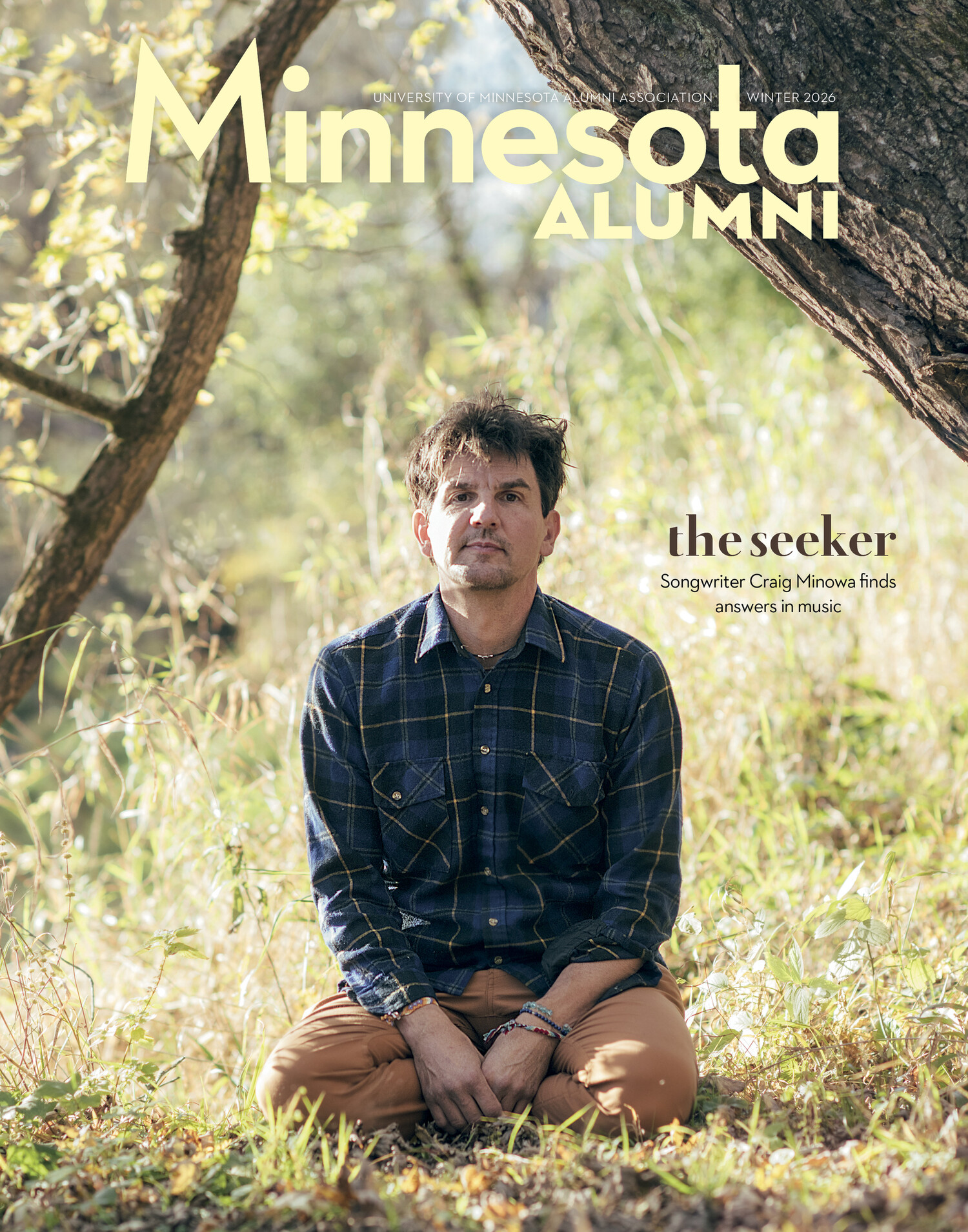
I was a parent shortly after college and music wasn’t paying the bills yet so I became a social worker helping incarcerated folks, teen parents, and immigrants transition off welfare. During those years I continued to hone my music chops. After a few years of cutting my teeth as a lead guitarist, I started writing songs and formed the Honeydogs with my brother.
I continue to make records, building differing collaborations with younger artists. And my lifelong interest in politics, history, art, and meaning have pushed me into teaching high school for the last few years.
The ideas I learned and the things I experienced at the University sculpted who I am as a teacher, artist, and activist. It shaped my parenting as well, helping to nurture my children’s interests in history, travel, social justice, and art. Both of my adult daughters also earned social science degrees from the University.
If you liked this story, Minnesota Alumni magazine publishes four times a year highlighting U of M alumni and University activities. Early access to stories and a print subscription are benefits of being an Alumni Association member. Join here to receive a printed copy at home.